

The honeymoon phase of "AI Productivity" is over. In 2026, investors are no longer impressed that you built an app in a weekend using Lovable or Claude. Instead, they are asking a much tougher question: "Who owns this code, and can you maintain it for the next five years?" As AI-generated code becomes the industry standard, the focus of Technical Due Diligence (TDD) has shifted from "Can you build it?" to "Can you govern it?"
The Rise of the "Intent Audit"
In 2026, auditors perform what is known as an Intent Audit. They aren't just looking for bugs; they are looking for "Intent Drift"the phenomenon where AI-generated code slowly diverges from the core architectural vision of the founders. If your CTO cannot explain the specific reasoning behind a mission-critical agentic workflow, that code is flagged as high-risk technical debt. To pass, you must demonstrate that every line of AI code was vetted, understood, and "owned" by a human engineer.
The 15% Rule: Managing Vibe Debt
We call the accumulation of unvetted AI code "Vibe Debt." While it feels fast in the beginning, it eventually creates a "Productivity Paradox" where 80% of your engineering time is spent debugging AI hallucinations. Most Series A investors now look for a Technical Debt Ratio (TDR) below 15%. To stay under this threshold, we recommend:
- AI Generation Logs: Maintain a record of which modules were generated by which models and what the original prompts/intents were.
- Modular Refactoring: Use tools like Cursor to aggressively refactor AI-generated monoliths into clean, human-readable components.
- Deterministic Testing: Ensure your AI code is wrapped in deterministic unit tests. If a "Vibe" changes, your tests should catch the logic failure immediately.
Security: Untrusted by Default
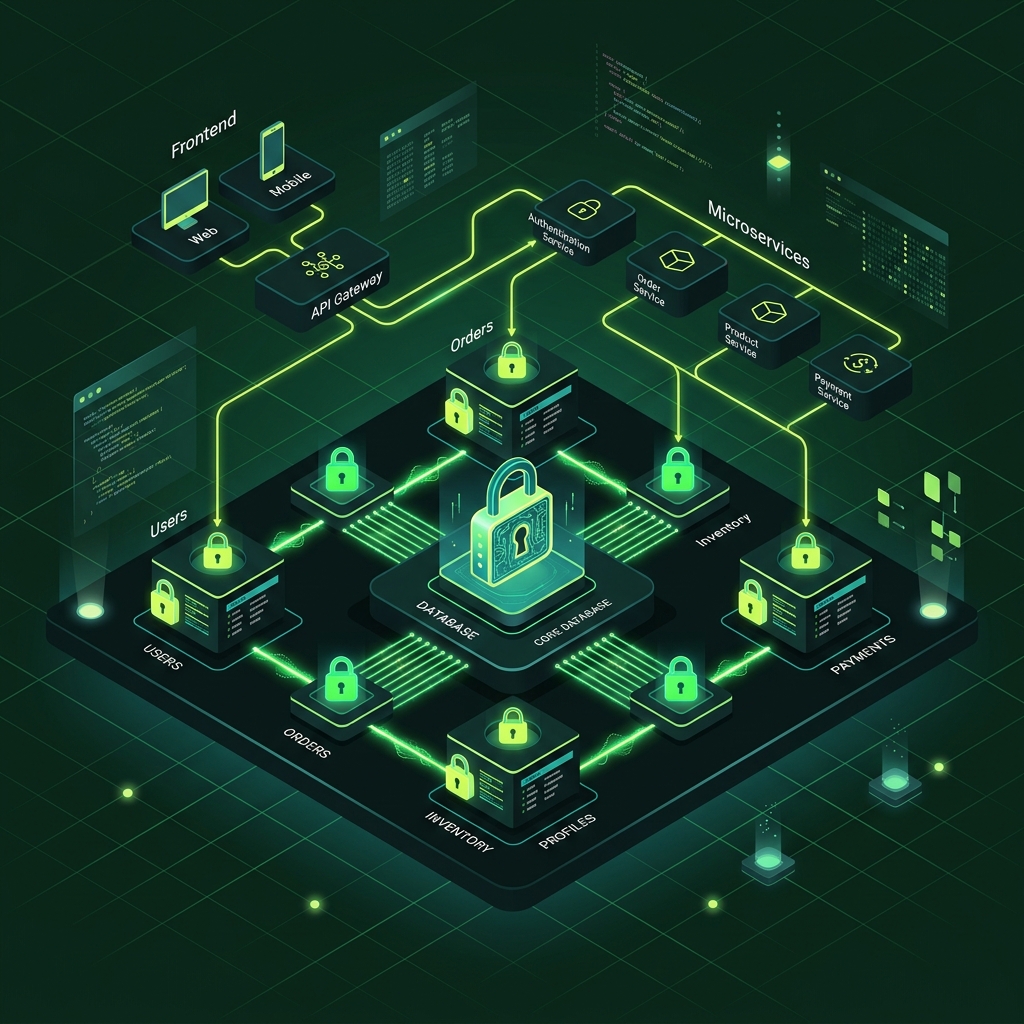
The modern security standard for AI-native startups is "Untrusted by Default." Auditors treat AI-generated code like a third-party library of unknown origin. This means you must show evidence of automated security scansnot just for syntax, but for behavioral vulnerabilities. In our GitHub Export guide, we emphasize hardening Supabase RLS policies specifically because AI often suggests "open" permissions to get things working quickly.
Governance Frameworks for 2026
Successful founders implement a formal AI SDLC (Software Development Life Cycle). This includes documented rules for when AI can be used (e.g., boilerplate generation) vs. when human intervention is mandatory (e.g., authentication logic, payment processing). Having these documents ready for your data room is a massive signal of maturity to potential investors.
Conclusion: Build for the Auditor
Vibe coding is your engine for speed, but engineering rigor is your insurance for capital. By hardening your code today, you aren't just preventing bugs; you're building a sellable, investable asset. If you need a pre-due diligence audit of your AI-native codebase, contact ValidMVPs for a technical review. We help you turn "Vibes" into Ventures.