
Vibe coding has democratized building. In 2026, anyone with a browser can prompt tools like Lovable, Cursor, or Replit to generate a fully functioning application in hours. However, a working prototype is not a venture-scale asset. If you are starting from a Lovable export or need a full Replit to production migration, AI-generated codebases frequently hide security bugs, unoptimized queries, hardcoded endpoints, and hallucinated NPM packages. To pass technical due diligence and scale reliably, you must transition your code from "prompted" to "hardened."
The Hidden Risks of Vibe-Coded Prototypes
While AI is exceptional at generating standalone functions, it struggles with system-level security and optimal package selection. AI models often import third-party packages that do not exist (hallucinations), write slow SQL queries that lock databases, or skip Row Level Security (RLS) policies. When VCs conduct technical audits before seed or Series A rounds, these hidden security vulnerabilities can stall or kill your funding deal.
Key Steps to Harden Your AI Codebase
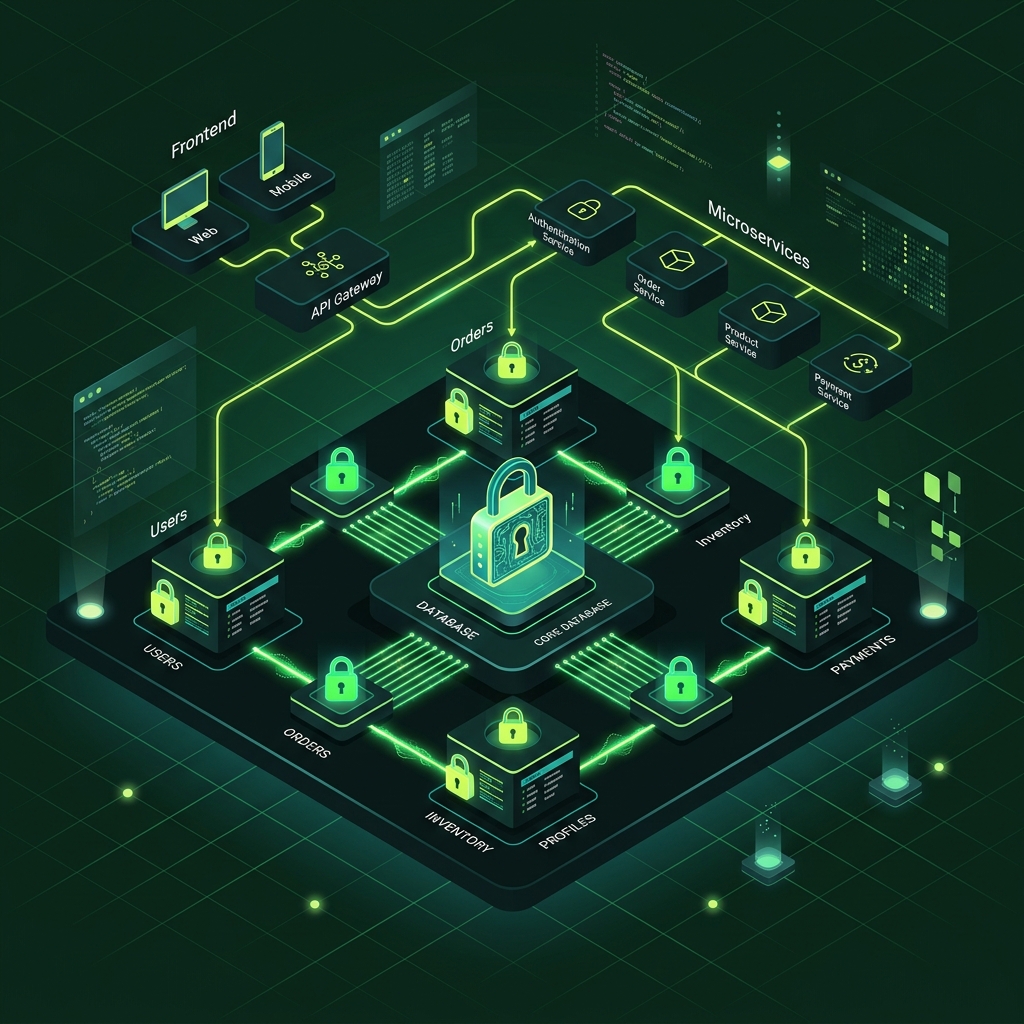
Hardening AI-built apps requires auditing dependencies, securing database policies, and abstracting secrets. This is the engineering baseline for any startup.
Essential Hardening Steps:
- Dependency Audit: Run security scans (e.g. `npm audit`) to detect and remove hallucinated libraries or outdated, vulnerable packages.
- Database Protection: Implement strict PostgreSQL or Supabase RLS policies to prevent users from querying unauthorized tables.
- Abstract Secrets: Scan the code for hardcoded API keys, test database passwords, or development endpoints and replace them with server-side environment variables.
- Refactor Complex Components: Break down large, AI-generated files (which can grow to thousands of lines) into clean, modular, and reusable sub-components.
Cleaning AI Hallucinations and Ghost Packages
Ghost imports occur when an LLM invents an NPM package that fits a specific utility need. If your build command succeeds, it might still load slow client-side fallbacks. You must review your `package.json` file line-by-line, verify the reputation of every installed dependency, and replace hallucinated libraries with standard, actively maintained frameworks (like Lodash, Date-fns, or TanStack Query).
Preparing for Venture Technical Due Diligence
Auditors review code quality, test coverage, and deployment pipelines. Follow this audit prep checklist:
Step 1: Transition your code to a clean Git repository (like GitHub) with logical branch structures and descriptive commits.
Step 2: Set up a continuous integration (CI/CD) pipeline on Vercel or AWS, ensuring tests run before each merge.
Step 3: Write unit and integration tests (using Vitest or Playwright) for critical user journeys like checkout and authentication.
Step 4: Run comprehensive vulnerability scans, fixing any high or critical warnings in your dependency tree.
Harden Your AI App for Production with ValidMVPs
ValidMVPs bridges the gap between raw AI drafts and stable, production-grade systems. We audit your Lovable or Replit exports, refactor unoptimized code, write tests, secure database queries, and set up scaling pipelines on AWS or Vercel. In 4-8 weeks, we turn your vibe-coded prototype into a professional software asset ready for investors. Contact ValidMVPs today to audit and harden your codebase.