
Security Essentials
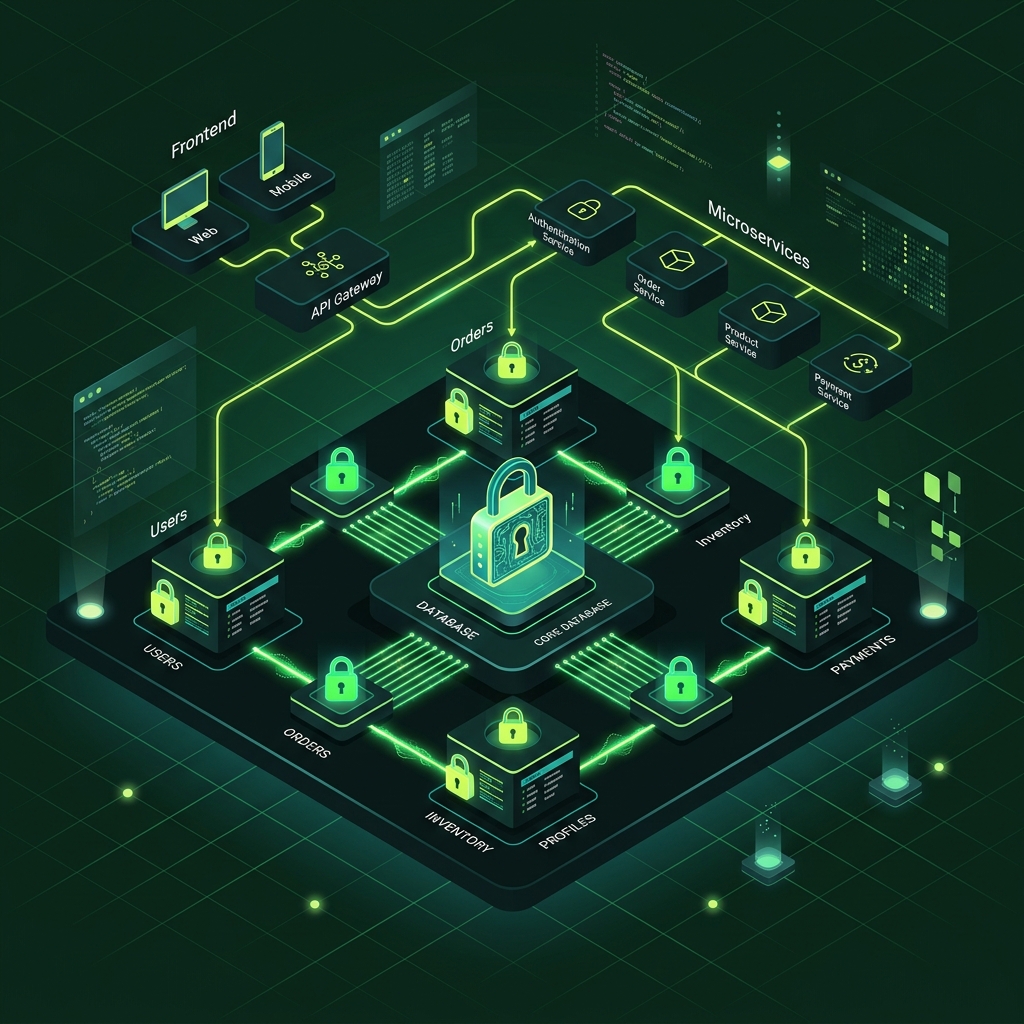
- 🔒 Default Deny: Why you should always start with RLS enabled.
- 🔑 Auth Context: Using `auth.uid()` to secure user data.
- 🛡️ Policy Audits: How to test your security rules with Claude Code.
The "Vibe Debt" of Security
When you're building fast with Lovable, it's easy to overlook backend security. But in 2026, a data breach is a death sentence for a startup. As part of a proper Lovable export workflow, implementing **Row Level Security (RLS)** is your first line of defense. This guide shows you how to translate your business requirements into robust Supabase policies that ensure users only see the data they're supposed to.
How Does Supabase RLS Work?
Row Level Security (RLS) is a PostgreSQL feature that limits database query results based on the identity of the user running the query. Unlike application-level filters (which filter data after it has been pulled from the database), RLS policies run directly inside the database engine. If a hacker attempts to query your public endpoint, RLS will block the request at the database level before any data payload is compiled.
Writing Your First Security Policy
To secure a table, you must first enable RLS and then write specific access policies for SELECT, INSERT, UPDATE, and DELETE actions. By default, enabling RLS blocks all access to the table until policies are defined.
-- 1. Enable RLS on your users table
ALTER TABLE profiles ENABLE ROW LEVEL SECURITY;

-- 2. Allow users to read only their own profile
CREATE POLICY "Users can view own profile"
ON profiles FOR SELECT
USING (auth.uid() = id);

-- 3. Allow users to update only their own profile
CREATE POLICY "Users can update own profile"
ON profiles FOR UPDATE
USING (auth.uid() = id);
Common Pitfalls in AI-Built Backends
AI coding agents are highly efficient at generating tables but often leave RLS disabled to ensure their prototype queries succeed. To address this, following a comprehensive process for hardening AI-generated code is essential before launching your Lovable app. Verify that you do not have public, unauthenticated read/write access to user tables, and implement testing loops using tool chains like Claude Code or database triggers to automatically test policies against mock user tokens.
Securing Your Supabase Backend with ValidMVPs
ValidMVPs provides complete database hardening audits for your exported Lovable applications. We review database tables, define proper Row Level Security (RLS) policies, configure user role systems, and test backend performance under load. Our engineering sprints turn your AI-generated prototype into an enterprise-ready, secure application in 4-8 weeks. Book a security audit with ValidMVPs today.