
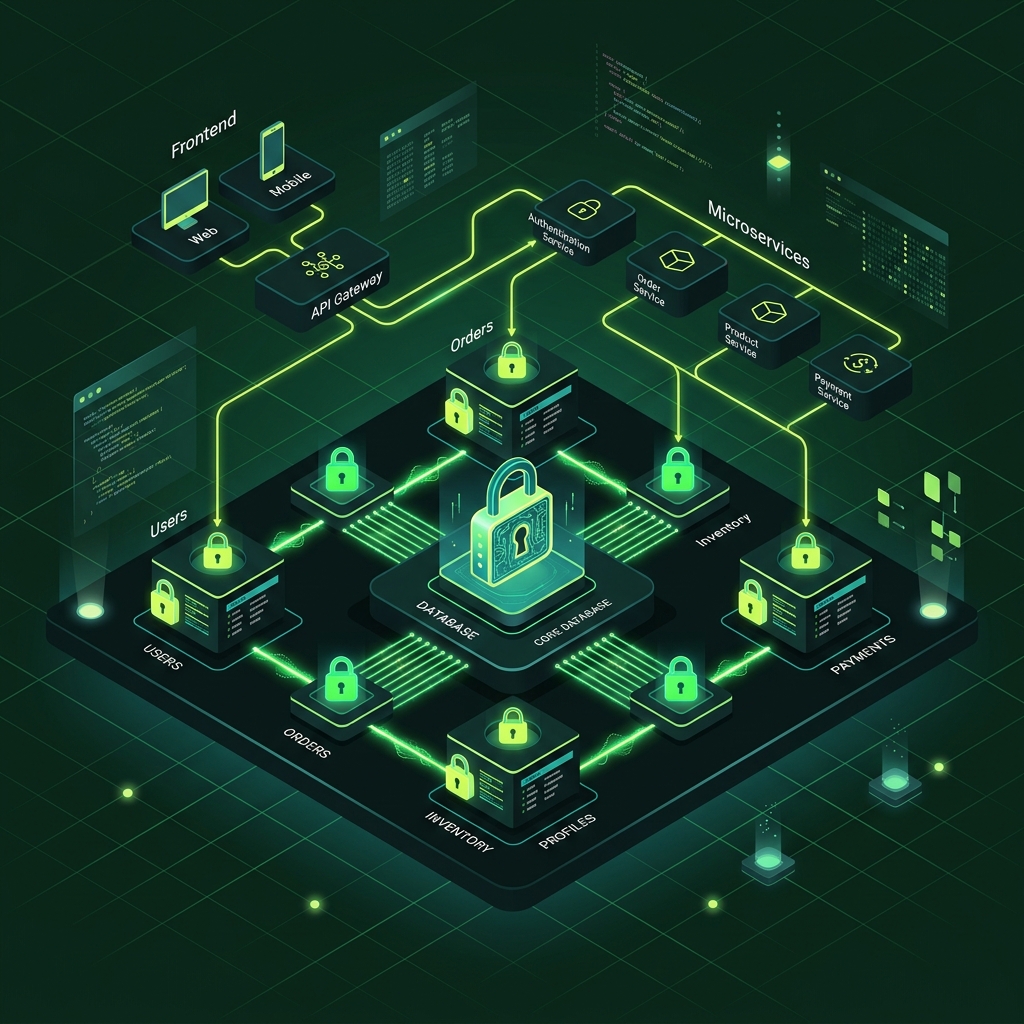

💡 Quick Summary
In 2026, building a startup MVP does not require a $100k budget. By adopting modern AI-native engineering and strict scoping, a production-ready application typically ranges from $15,000 to $35,000. This guide breaks down every dollar, comparing hiring options and outlining the exact allocation models you should expect.
Budgeting for an MVP is a business-critical decision. Every dollar spent on unvalidated features is a dollar less for customer acquisition. Startups fail when they run out of cash before finding product-market fit. Understanding where your capital goes is the first step to building a resilient business. Let's look at the standard pricing tiers you will encounter.
The 2026 MVP Cost Tiers
Not all MVPs are created equal. The cost varies dramatically depending on database scale, authentication needs, AI agent complexity, and localized compliance rules.
| MVP Class | Avg. Cost | Build Time | Stack Details |
|---|---|---|---|
| 1. Visual Prototype | $5,000 - $10,000 | 1 - 2 Weeks | Figma mockups, Framer landing pages, mock databases. |
| 2. Standard B2B SaaS MVP | $15,000 - $25,000 | 4 Weeks | React, PostgreSQL, Clerk Auth, Stripe subscriptions, Sentry. |
| 3. AI-First Agentic MVP | $25,000 - $40,000 | 4 - 6 Weeks | Next.js/Astro, Supabase RLS, vector stores, OpenAI/Anthropic APIs. |
| 4. Enterprise Pilot | $45,000+ | 8+ Weeks | Dedicated VPC, regional hosting, compliance features (SAMA/ZATCA). |
Hiring Options: Where Do You Build?
How you choose to execute your build has the biggest impact on your budget. Each path presents distinct trade-offs between cost, speed, and overall engineering stability.
Freelancer Route
Cost: $5k - $15k. Often seems cheap upfront, but carries massive risks regarding code quality, reliability, and project delays. Many vibe-coded freelance projects skip security audits and fail technical due diligence.
Traditional Software Agency
Cost: $40k - $100k. High structural quality but bloated project management timelines. Traditional agencies build slowly over 3-6 months, burning through your seed capital before you launch.
In-House Engineering Team
Cost: $50k+ per month. Hiring full-time developers in KSA or Qatar requires substantial overhead, recruitment times, and equity grants. Ideal for growth stages, but highly inefficient for zero-to-one validation.
ValidMVPs Studio
Cost: $15k - $30k. A specialized hybrid model. We build production-ready software in exactly 28 days by combining AI-assisted velocity with seasoned engineering oversight, ensuring you pass due diligence at a fraction of the cost.
Visual Budget Allocation Model
Where does every dollar go in a typical production-grade MVP build? This interactive SVG breakdown shows a standard 28-day sprint allocation model.
Budget Breakdown (%)
The Hidden Costs Matrix
Building the code is only part of the equation. Founders must budget for the infrastructure running cost.
Notion-Style Infrastructure Checklist
Authentication Providers (Clerk / Auth0)
Free tier covers up to 10k monthly active users. Paid tiers start at $25/mo plus SMS verification charges.
Database Hosting (Supabase / AWS RDS)
Database storage costs typically scale from $10/mo to $100/mo depending on read/write intensity and connection pooling.
Error Tracking & Observability (Sentry / LogRocket)
Essential to detect runtime errors before your users do. Free tier is generous; paid tiers range from $29/mo.
AI Tokens & Caching (OpenAI / Anthropic APIs)
Can balloon rapidly under heavy usage. Implementing caching layer reduces LLM query costs by up to 60%.
Reducing Cost: Token Caching Middleware
If you are building an AI MVP, database caching is not optional. Repeated queries to LLM nodes cost money. Below is a code blueprint illustrating how we implement caching middleware in our Node/Express backends to minimize API token billing:
// Redis Cache Middleware to Prevent Repetitive LLM API Charges
import Redis from 'ioredis';
const redis = new Redis(process.env.REDIS_URL);

export async function checkTokenCache(req, res, next) {
  const { prompt } = req.body;
  const cacheKey = `prompt_hash:${hashString(prompt)}`;

  try {
    const cachedResponse = await redis.get(cacheKey);
    if (cachedResponse) {
      return res.status(200).json({
        source: 'cache_hit',
        data: JSON.parse(cachedResponse)
      });
    }
    next();
  } catch (error) {
    console.error('Cache read error:', error);
    next(); // Fallback to LLM if cache fails
  }
}
Build Your MVP Efficiently with ValidMVPs
At ValidMVPs, we believe startup validation shouldn't cost you your runway. We partner with founders across Qatar, Saudi Arabia, and globally to design, build, and deploy production-grade software in exactly 28 days. Our clear scoping, pre-built security blueprints, and AI-native stack optimization ensure you receive a robust software asset ready for live users and seed-stage investor due diligence. Book an MVP budget discovery call today.