
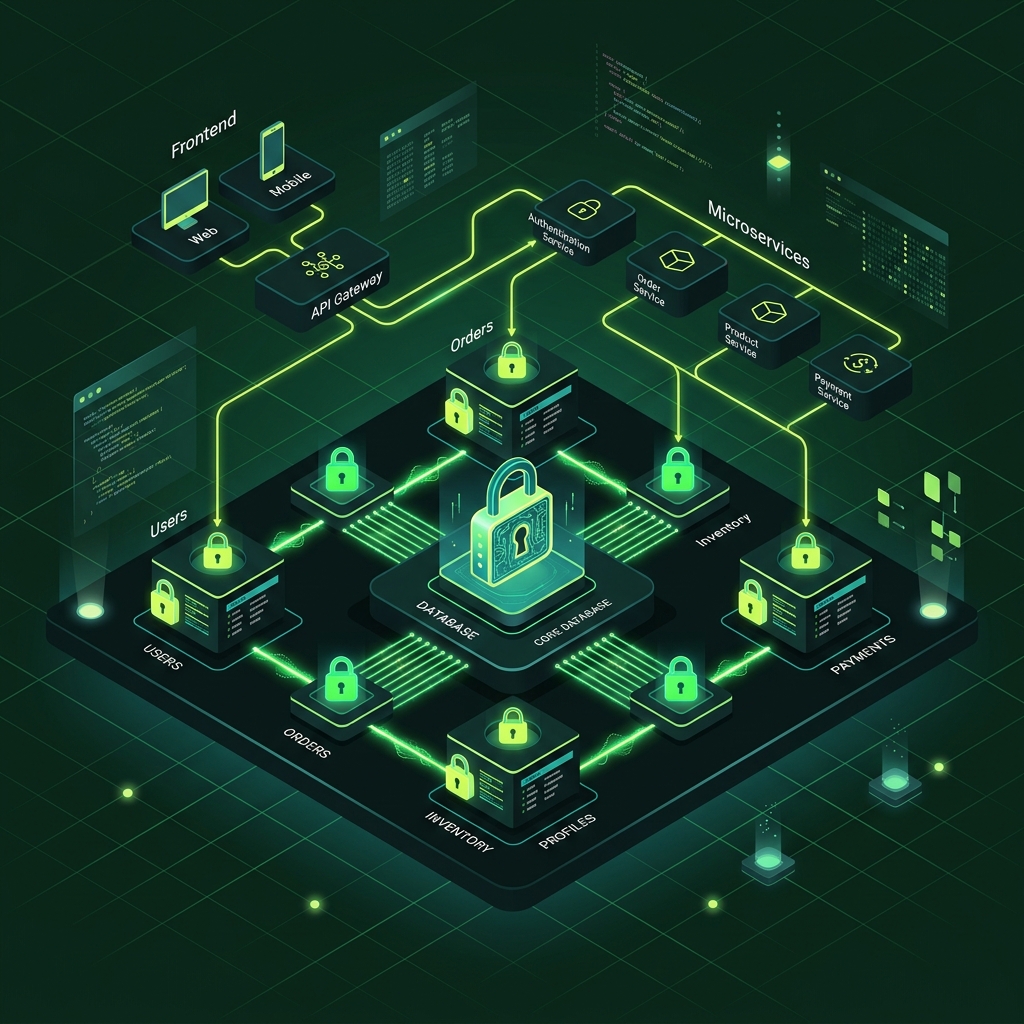

Fundraising in 2026 is no longer just about user metrics and pitch decks. The explosion of AI-native code generators and 'vibe coding' tools has made it easy for anyone to create a functional interface. As a result, venture capital firms have dramatically tightened their investment criteria. Before writing a check, VC firms now perform deep **technical due diligence** to verify if a startup's software assets are secure, legally defensible, and built to scale, or just a pile of AI-generated tech debt.
If your MVP is held together by temporary hacks, missing security constraints, and undocumented open-source libraries, it can cause your seed or Series A term sheet to fall through. This guide outlines the exact technical standards VC auditors look for and how you can prepare your codebase to pass with flying colors.
The VC Auditor's Goal
Investors want to ensure two things: First, that your team owns 100% of the software intellectual property (IP) and can legally sell it. Second, that the codebase is a solid foundation that can scale from 1,000 to 100,000 users without requiring a complete, multi-month rebuild.
1. Code Quality & Architectural Integrity
Venture capital auditors evaluate whether your codebase relies on clean TypeScript structures and strict environments, or unmaintainable generative AI templates.
A common red flag for auditors is a repository containing thousands of lines of disorganized, undocumented code written entirely by an LLM. VCs look for structural patterns that indicate professional engineering discipline. Before deciding on your roadmap, you can compare hiring an agency versus building it yourself to understand coding debt implications.
Strict Typings & Linting: If your team uses TypeScript, configure strict mode. Piles of `any` types throughout the code signal that the team is bypassing safety nets to ship features, introducing runtime bug risks.
Separation of Concerns: Maintain a clear distinction between frontend UI states and backend logic. Hardcoding database requests directly into page components is an immediate fail.
Environment Management: Never hardcode API keys, database URLs, or third-party client secrets. Ensure they are isolated in a `.env` configuration template, and verify that actual secrets are included in `.gitignore` so they are never pushed to public repositories.
2. Database & API Security Auditing
Passing security audits requires enabling Row Level Security (RLS), encrypting user sessions, and hosting data on servers that satisfy regional residency laws.
A visually stunning app is worthless if it exposes customer details. Security is the highest-weight element in a VC audit.
Critical Security Checkpoints:
- Row Level Security (RLS): If your database backend uses Supabase, PostgreSQL, or Firebase, ensure RLS policies are explicitly declared. Leaving RLS disabled allows any API request to manipulate database tables. Read our guide on Supabase RLS hardening.
- Secure APIs: Enforce server-side JWT token verification on all protected endpoints. Never rely on frontend client checks to guard sensitive routes.
- Regulatory Compliance: Ensure your data flows conform to local requirements (such as GDPR for Europe, PDPL for startups in Qatar, or SAMA guidelines in Saudi Arabia). Host data on regional servers to support residency rules.
3. Open Source Licensing & Dependency Scans
Auditors scan codebases to flag Copyleft open-source licenses (GPL/AGPL), which legally obligate companies to open-source their proprietary assets.
Auditors run scanners (such as FOSSA or Snyk) across your codebase to catalog all open-source packages you depend on. The biggest danger here is **Copyleft Licenses** (like GPL or AGPL).
If your software links to a GPL-licensed library, the license rules dictate that your entire proprietary software project must be open-sourced. VCs will hold funding immediately if they detect copyleft licenses in your primary business logic, as it compromises your IP defensibility.
4. Git Hygiene & IP Assignment Tracking
Technical reviewers analyze Git history and developer assignments to verify that the corporate entity holds 100% legal ownership of the code.
Git is more than version control it is a legal ledger. VCs analyze Git logs to verify who wrote every single line of code. If your commit history is a single upload block titled "first draft" or is authored by multiple anonymous offshore developers without contracts, it triggers severe ownership doubts.
- Git History: Maintain a clean Git workflow with descriptive pull requests, showing logical incremental development. Proves code is authored step-by-step and is not plagiarized.
- IP Agreements: Ensure every developer who contributed to the repository whether co-founder, employee, or agency partner has signed a formal Intellectual Property (IP) Assignment Agreement transferring all copyrights to the business entity.
Technical Due Diligence Checklist for VCs
| Audit Area | VC Red Flag (Rejection) | Safe State (Approval) |
|---|---|---|
| Security Settings | Supabase/Firebase RLS disabled; API secrets exposed on frontend. | RLS enabled; secrets stored in isolated environment parameters. |
| Architecture | Monolithic files exceeding 2,000 lines; no separation of backend database scopes. | Clean MVC or component separation; structured DB schemas. |
| Dependency Licenses | Presence of GPL or AGPL libraries inside proprietary software routes. | 100% Permissive licenses (MIT, Apache 2.0, BSD). |
| IP Ownership | No formal developer contracts; Git history authored by unverified accounts. | Signed IP assignment forms for all contributors; clear Git logs. |
| Technical Debt | Endless loops of bugs; zero documentation; lack of code version controls. | Basic integration tests; documentation of APIs; clean handover. |
Why ValidMVPs is Your Technical Diligence Partner
We build codebases designed to pass investor audits from the very first commit. At ValidMVPs, we don't cut corners. We build MVPs in React, Node.js, and PostgreSQL using permissive licensing, configured security settings, and structured frameworks that your future CTO can inherit with ease. We guarantee 100% intellectual property transfer and repository ownership on day one. If you want to build an MVP that will impress investors and pass diligence with ease, talk to ValidMVPs today and launch in 2-3 weeks.