
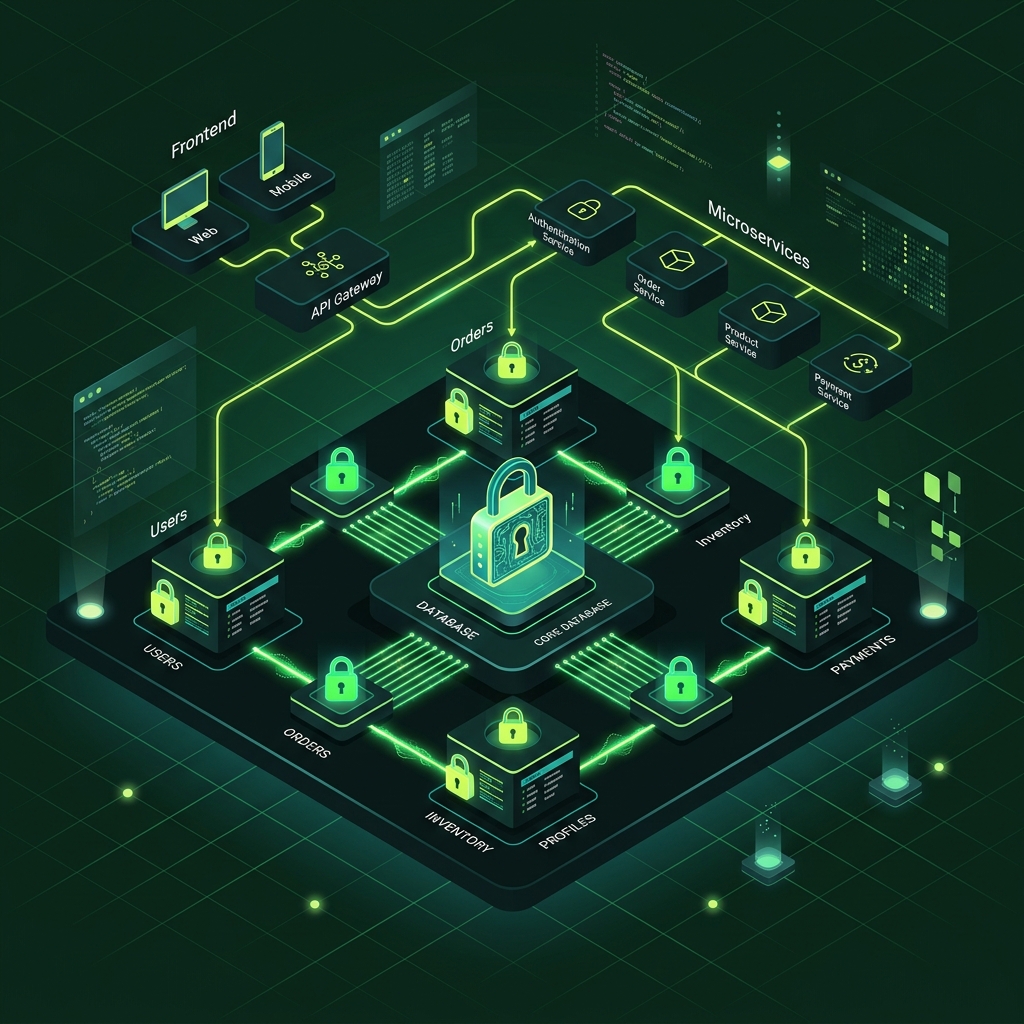

💡 Quick Summary
Estimating your SaaS app development cost is crucial for allocating startup runway. In 2026, building a secure, multi-tenant SaaS MVP typically costs between $15,000 and $35,000. This detailed budgeting guide breaks down where every dollar is spent, compares hiring options, and details hidden infrastructure and API costs.
Running a SaaS startup is a game of financial endurance. The primary cause of startup failure is running out of cash before achieving product-market fit (PMF). In subscription software, spending too much on early custom code that users don't want is a common trap. Understanding the drivers of SaaS pricing allows you to build a highly optimized roadmap.
How Much Does SaaS App Development Cost?
The cost to build subscription software depends heavily on database scale, multi-tenant routing, payment logic, compliance audits, and external integrations. Below is the cost breakdown by MVP complexity class.
| SaaS Class | Avg. Cost Range | Timeframe | Typical Infrastructure |
|---|---|---|---|
| 1. Simple Micro-SaaS | $8,000 - $15,000 | 2 - 3 Weeks | Single database, basic auth, flat Stripe billing, standard template UI. |
| 2. Standard B2B SaaS MVP | $15,000 - $35,000 | 4 - 8 Weeks | Multi-tenant db isolation, Clerk/Supabase auth, usage-based subscriptions, customized dashboard panel. |
| 3. Complex B2B Enterprise SaaS | $40,000 - $75,000 | 8 - 12 Weeks | Row-level db tenant splitting, SOC 2 / GDPR logging, custom integrations, advanced workflows, analytics pipeline. |
| 4. AI-First Agentic SaaS | $35,000 - $80,000 | 6 - 10 Weeks | Semantic caching middleware, Vector DB (pgvector), LLM queue handlers, real-time streaming sockets. |
Hiring Paths: Where to Build Your SaaS?
How you choose to staff your SaaS build will determine both your financial runway and the technical stability of the product. Let's compare the four primary channels.
| Hiring Model | Typical Cost | Pros | Cons |
|---|---|---|---|
| Offshore Freelancers | $5,000 - $15,000 | Lowest initial financial cost | Communication gaps, inconsistent code quality, zero architecture documentation, high risk of project abandonment. |
| In-House Engineers | $50,000 - $120,000 | Direct control, immediate physical iteration | Recruiting takes months, heavy monthly burn rate, equity dilution, employee tax burdens. |
| Traditional Agency | $40,000 - $100,000+ | Complete structured management | Slow delivery cycles, high overhead padding fees, lock-in on custom agency platforms. |
| ValidMVPs Studio | $15,000 - $35,000 | 4-8 week launch, 100% IP/repo ownership, senior software architects, compliance pre-integrations. | Strictly scoped backlog limits premature feature bloating. |
Interactive SaaS Budget Allocation
A production-ready SaaS budget is not just spent on code. Infrastructure, databases, API connections, security audits, and deployment monitoring require precise capital routing. Here is the optimal budget distribution for a B2B SaaS MVP:
Optimal SaaS MVP Budget Distribution
How to Cut Database and API Costs
A common cost pitfall for growing SaaS products is the sudden inflation of cloud database read bills and third-party API tokens. Implementing caching middleware early reduces your operating costs, letting you support thousands of users on a minimal server stack.
Here is a clean Node.js/TypeScript middleware snippet demonstrating how to implement cache-aside querying using Redis to protect your database billing:
import Redis from 'ioredis';
import { PrismaClient } from '@prisma/client';

const redis = new Redis(process.env.REDIS_URL || 'redis://localhost:6379');
const prisma = new PrismaClient();

const CACHE_TTL_SECONDS = 300; // 5 minutes

export async function getTenantSettings(tenantId: string) {
  const cacheKey = `tenant:settings:${tenantId}`;

  // 1. Try to fetch settings from Redis cache
  const cachedSettings = await redis.get(cacheKey);
  if (cachedSettings) {
    console.log('⚡ Cache Hit: Retrieved settings from Redis');
    return JSON.parse(cachedSettings);
  }

  console.log('🛢️ Cache Miss: Querying PostgreSQL database');

  // 2. Query Postgres if cache misses
  const settings = await prisma.tenantSettings.findUnique({
    where: { tenantId },
  });

  if (settings) {
    // 3. Cache the retrieved settings in Redis
    await redis.setex(cacheKey, CACHE_TTL_SECONDS, JSON.stringify(settings));
  }

  return settings;
}
The Hidden SaaS Infrastructure Checklist
When budgeting, do not forget the recurring SaaS service bills. These infrastructure charges start small but compound quickly if not optimized. Use our checklist to audit your monthly infrastructure dependencies:
Conclusion: Optimize for Learning Velocity
In SaaS, the goal of your Minimum Viable Product is to validate your business model at the lowest possible cost. Do not build an enterprise-level platform until you have paying customers. By focusing on core workflow values first, you keep your initial build cost low, leaving ample capital to fund your marketing, search engine optimization (SEO), and direct sales efforts.